Evaluating the vinyl flooring price involves more than just comparing per-square-meter costs; it requires a deep understanding of material composition, wear layer thickness, and the intended application within the plastic flooring manufacturing sector. For commercial and athletic facilities, the initial investment is often eclipsed by the long-term value derived from durability and maintenance efficiency.
Procurement managers and facility owners frequently struggle to balance budget constraints with the technical requirements of high-traffic areas. Whether sourcing for a professional gymnasium or a commercial corridor, understanding the cost drivers—such as PVC quality, cushioning properties, and environmental certifications—is critical to avoiding premature replacement costs.
This analysis provides a professional framework for interpreting vinyl flooring pricing structures, examining the variables that influence costs, and offering a decision-making guide to optimize the return on investment for sports and commercial surfacing projects.

Core Cost Drivers in Vinyl Flooring Production

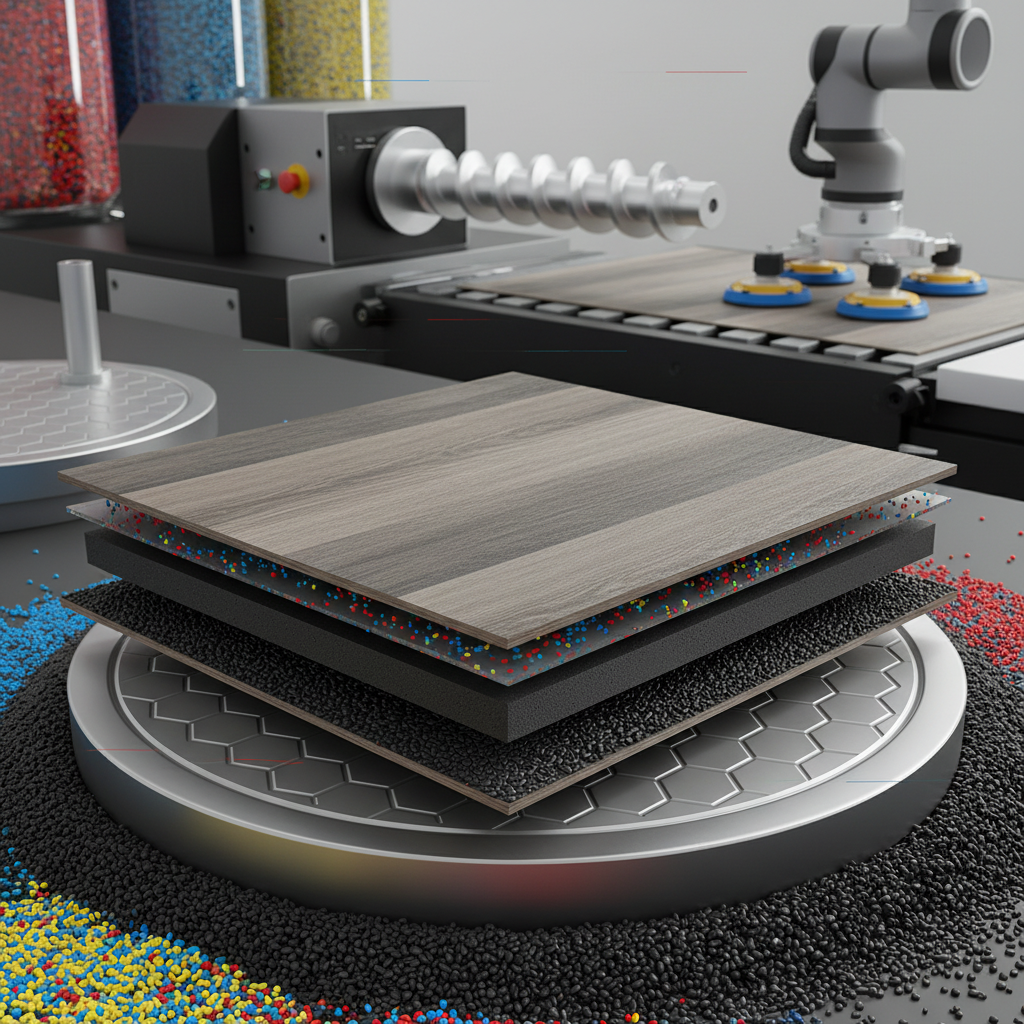
The base vinyl flooring price is primarily dictated by the raw material grade and the complexity of the manufacturing process. In the rubber and plastics industry, the purity of PVC resins and the addition of plasticizers significantly influence both the elasticity and the final market price of the product.
Higher-end products integrate advanced rubber content and low-VOC materials to meet international safety standards. For instance, utilizing environmentally friendly materials that reduce odor and pass EU ROHS testing typically increases production costs but enhances the product's viability for schools and public healthcare facilities.
Impact of Technical Specifications on Pricing
Technical performance is a direct correlate of price. The thickness of the wear layer is perhaps the most critical variable; a thicker transparent layer protects the design from abrasion, extending the life of the floor in high-traffic zones. This technical requirement adds to the material cost but reduces the frequency of total floor replacement.
Additionally, the integration of cushioning layers for sports-specific vinyl increases the cost due to the high-density foaming design required for shock absorption. This feature is essential for reducing athlete injury and increasing comfort, making it a non-negotiable cost for professional sports surfaces like those used in basketball or volleyball courts.
Application-Specific Cost Considerations
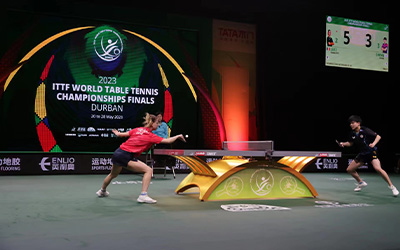
The pricing strategy for vinyl flooring varies significantly across different use cases. Commercial-grade flooring focuses on abrasion resistance and ease of cleaning, whereas sports-grade vinyl—such as that provided by Hebei Enlio Sports Goods Co., LTD—incorporates specific friction coefficients to ensure safety during rapid movement and sweat dispersion.
For outdoor-adjacent or specialized areas, weather resistance and UV stability become the primary cost drivers. Products that maintain performance between -40℃ and 100℃ require advanced stabilizers and reinforced structures, which naturally command a premium over standard indoor residential or commercial vinyl.
Relative Value Analysis of Flooring Types
When evaluating the vinyl flooring price, it is helpful to look at a normalized value index. This illustrative framework compares different flooring types based on their relative balance of durability, installation complexity, and initial cost.
The chart above demonstrates that while standard commercial vinyl has the lowest entry cost, professional sports vinyl provides a higher relative value in terms of durability and specialized performance, justifying its higher price point for athletic facilities.
Hidden Costs in Installation and Prep
The nominal price of the vinyl material is only one part of the total investment. Subfloor preparation often represents a significant hidden cost. Vinyl requires a high level of flatness to prevent bulging or deformation; therefore, self-leveling compounds and moisture barriers are frequently necessary.
Furthermore, the method of installation—whether glue-down, loose-lay, or click-lock—affects both the labor cost and the long-term stability. Back sealing treatments, which prevent dampness from affecting the floor, are an additional cost that prevents expensive failures in humid environments.
Risk Factors in Low-Cost Procurement
Opting for the lowest available vinyl flooring price often introduces operational risks. Low-cost options may use inferior plasticizers that lead to shrinkage or color fading over time. In professional settings, poor color stability results in an unprofessional aesthetic and potential safety hazards if anti-slip properties degrade.
Another critical risk is the presence of high VOCs (Volatile Organic Compounds). Low-cost manufacturers may bypass strict environmental testing, leading to indoor air quality issues. Investing in certified materials, such as those with NSCC or EU ROHS certification, mitigates the risk of health compliance failures.
Strategic Procurement Decision Framework
To make an informed decision, buyers should evaluate options based on the total cost of ownership (TCO) rather than the initial price. The following table provides a qualitative comparison of flooring approaches based on performance and application.
| Flooring Type | Durability Level | Primary Use Case | Price Driver |
|---|---|---|---|
| Standard Commercial | Moderate | Offices / Corridors | Wear Layer Thickness |
| Professional Sports | High | Gymnasiums / Arenas | Shock Absorption |
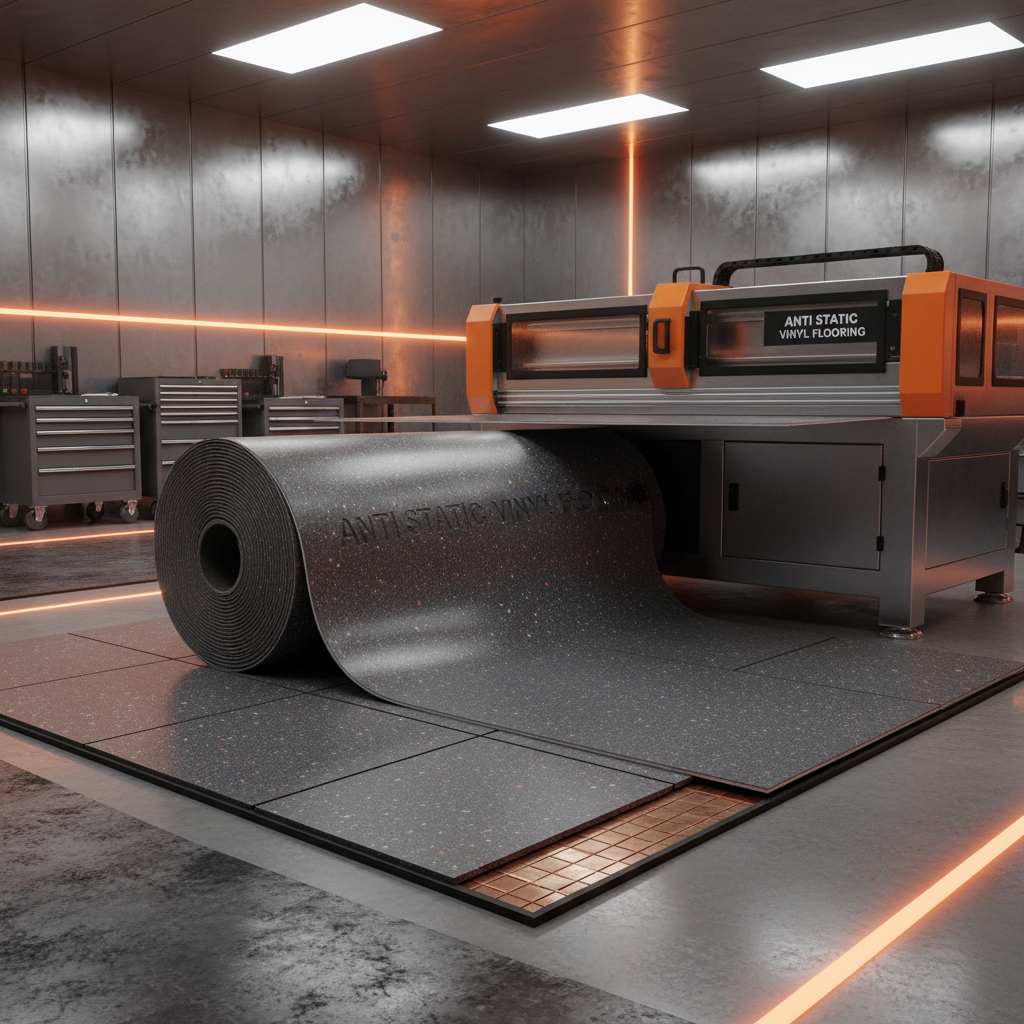
| Specialized Industrial | Very High | Labs / Factories | Chemical Resistance |
| Eco-Friendly Vinyl | Moderate | Schools / Hospitals | VOC Certifications |
| Heavy-Duty PVC | High | High-Traffic Public | Material Density |
| Customized Solutions | Variable | Branded Venues | Design Complexity |
Selecting a supplier with a proven track record in international sports standards—such as FIBA or ITF approvals—ensures that the price paid aligns with a product capable of meeting professional athletic requirements.
Frequently Asked Questions
The primary drivers are the quality of the PVC resin, the thickness of the wear layer, the presence of integrated cushioning for sports, and environmental certifications (like low-VOC or EU ROHS), all of which dictate raw material and production costs.
Sports vinyl requires specialized engineering for shock absorption, a specific friction coefficient to prevent slipping, and high elasticity to protect athletes' joints, requiring more complex manufacturing processes and higher-grade rubber content.
Generally, no. Low-cost options typically have thinner wear layers and lower material density, leading to rapid abrasion, color fading, and potential deformation under heavy loads, which increases the long-term cost of replacement.
Subfloor prep can add significantly to the budget. Vinyl requires a perfectly flat surface to avoid telegraphing or bubbling; this often necessitates professional grinding, leveling compounds, and moisture barriers before the material is laid.
Look for ISO9001 for quality management, CE or SGS for safety, and EU ROHS or NSCC for environmental and low-emission standards. For sports flooring, approvals from FIBA, BWF, or ITTF indicate professional-grade performance.
The wear layer is the protective top coat. Increasing its thickness requires more high-grade transparent PVC, which raises the price but drastically increases the floor's resistance to scratches and wear, extending its usable life.
Conclusion
Determining the appropriate vinyl flooring price requires a shift from focusing on initial expenditure to analyzing the total cost of ownership. By prioritizing technical specifications such as wear layer thickness, shock absorption, and environmental certifications, buyers can ensure a durable installation that reduces long-term maintenance and replacement costs.
For those seeking high-performance sports or commercial surfacing, reviewing a supplier's technical capabilities and international certifications is the most effective way to guarantee value. Detailed product information and application-specific solutions can be found at www.enliosportsfloor.com.