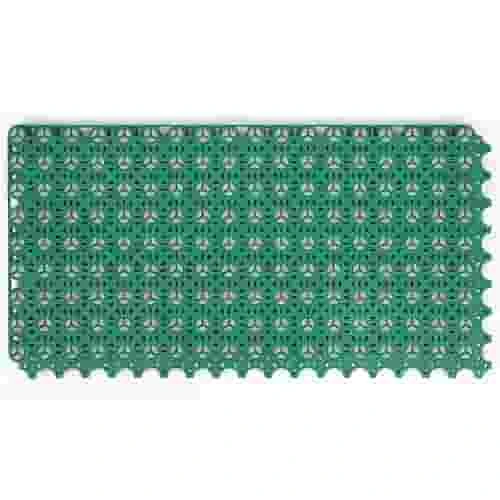
In Zambia, the demand for professional artificial flooring has surged as the nation invests in youth sports and urban development. However, the local market has long struggled with surfaces that cannot withstand the extreme humidity shifts and temperature fluctuations characteristic of the region, leading to premature warping and peeling.
Currently, many indoor facilities in Lusaka and Kitwe rely on outdated materials that lack sufficient impact absorption. This gap in technology increases the risk of athlete injury and raises long-term maintenance costs for municipal governments and private sports complexes.
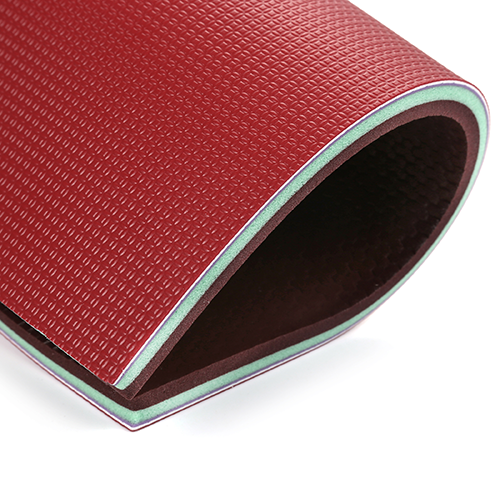
The shift toward specialized indoor sports floor systems is now critical. As Zambia hosts more regional competitions, there is an urgent need for materials that meet international federation standards while resisting the dust and environmental wear prevalent in the local landscape.