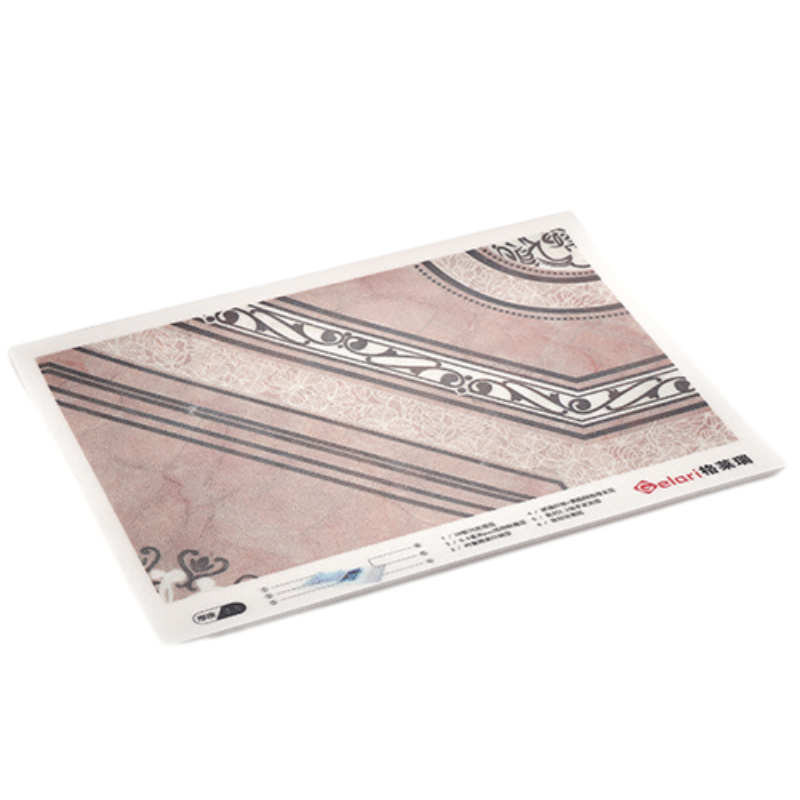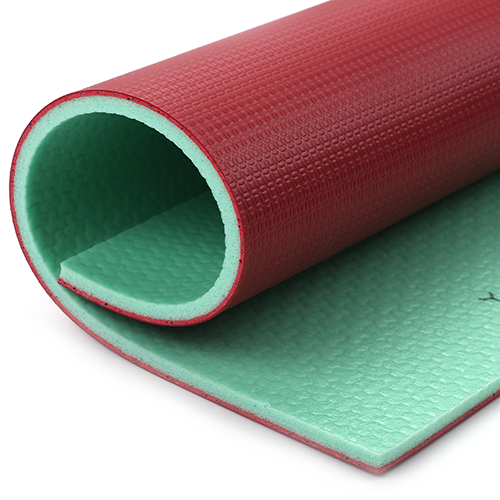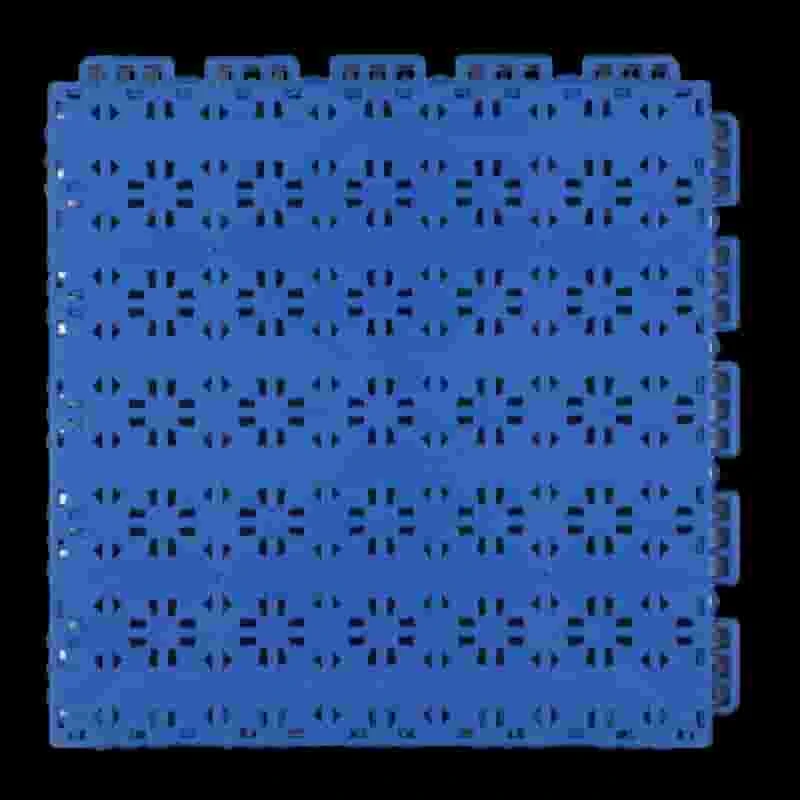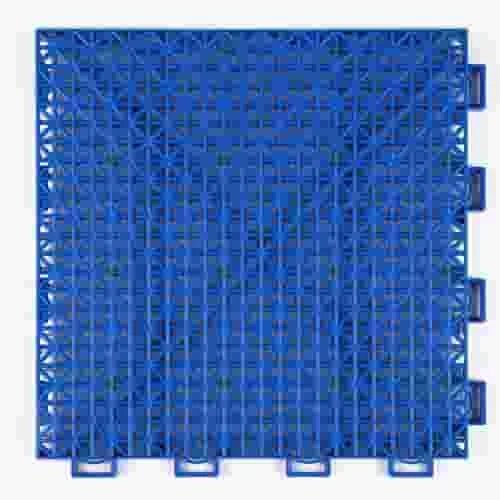
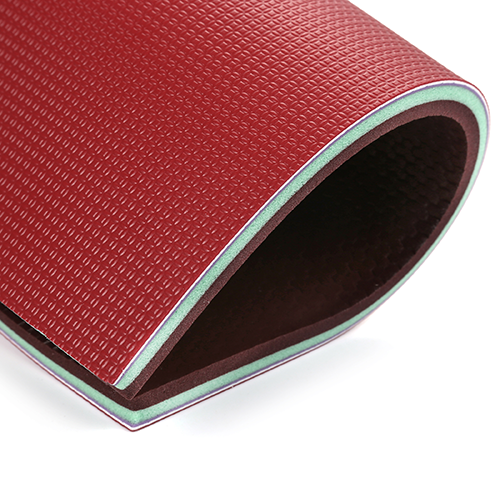
In Libya, the demand for specialized indoor sports floor options is surging as the nation invests in urban sports complexes. However, the extreme temperature fluctuations between the coastal regions and the interior Sahara create significant thermal expansion challenges for traditional materials.
Many existing facilities still rely on outdated concrete or basic timber, which lack the shock absorption required for professional play. The introduction of advanced artificial flooring has begun to bridge this gap, providing a more resilient surface that resists the abrasive nature of desert dust infiltration.
Currently, the market is shifting toward high-density PVC and composite materials. There is a critical need for flooring that combines hygiene, easy maintenance, and high friction coefficients to ensure athlete safety in Tripoli and Benghazi's growing sports hubs.