

Indonesia's unique equatorial climate presents significant challenges for flooring materials, where extreme humidity and temperature fluctuations often lead to warping and mold in traditional surfaces. The demand for high-performance artificial flooring has surged as urban centers like Jakarta and Surabaya expand their indoor sports complexes to avoid the unpredictable monsoon rains.
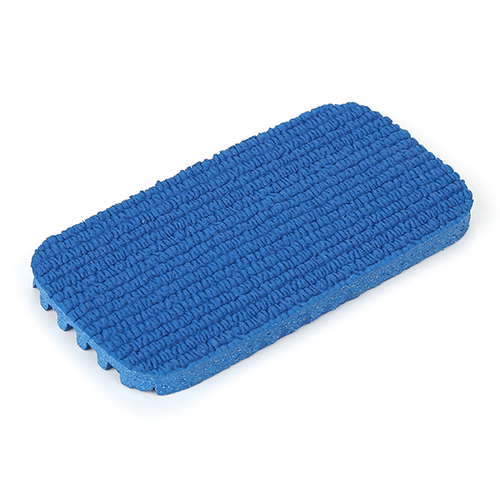
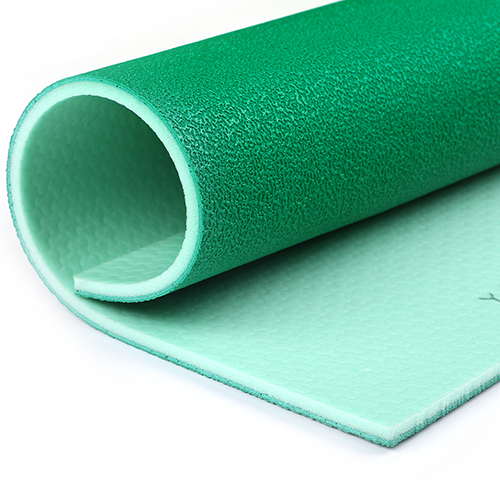
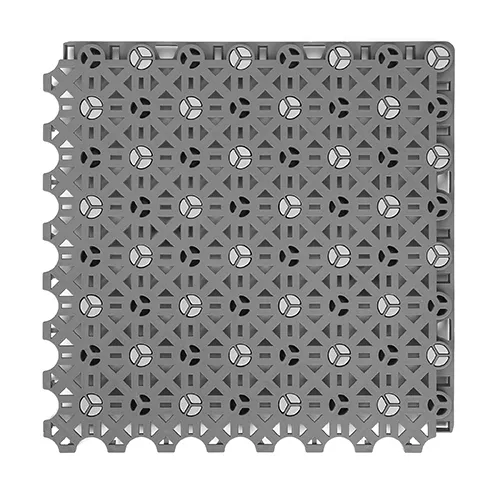
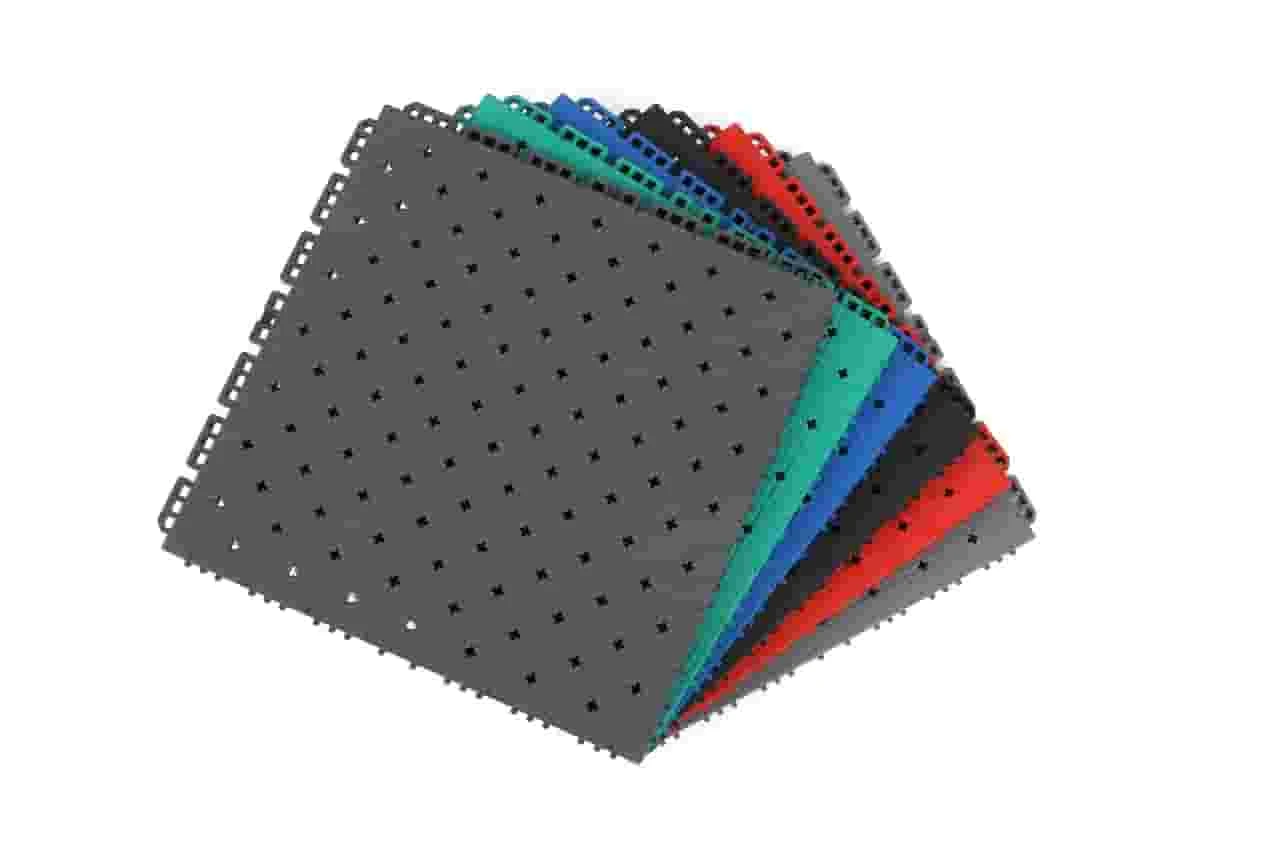
Currently, the market is shifting away from basic concrete or wooden surfaces toward specialized plastic and PVC composites. These materials are preferred for their moisture resistance and ease of maintenance, ensuring that facilities remain operational year-round despite the humid tropical air.
Furthermore, the growth of badminton and futsal in Indonesia has intensified the need for surfaces that offer specific shock absorption and friction coefficients. This has led to a widespread adoption of professional-grade indoor sports floor systems that prioritize athlete safety and joint protection.