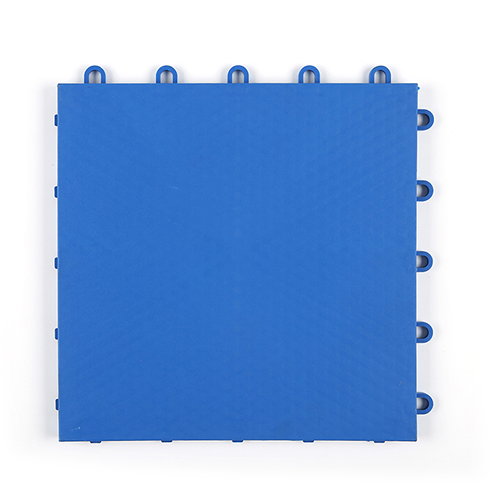
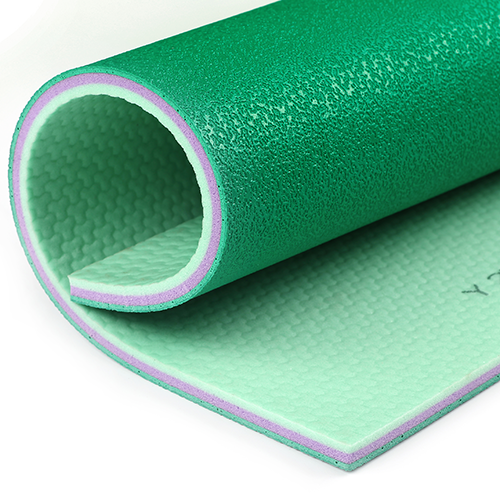
In Japan, the demand for high-performance surfaces is driven by a unique combination of limited urban space and a deep-rooted culture of athletic discipline. Most facilities in Tokyo and Osaka prioritize multi-functional spaces where a single indoor sports floor must transition seamlessly between basketball, volleyball, and community events.
Environmental factors, including high humidity during the rainy season (Tsuyu) and the risk of seismic activity, require flooring materials with exceptional dimensional stability. The Japanese market has shifted away from traditional wood towards advanced polymers that prevent warping and maintain consistent friction levels despite temperature fluctuations.
Furthermore, there is a growing emphasis on "Barrier-Free" design and acoustic dampening. In densely populated Japanese cities, reducing the noise impact of sporting activities on surrounding residential areas has made high-density floor vinyl a primary choice for modern urban gymnasiums.