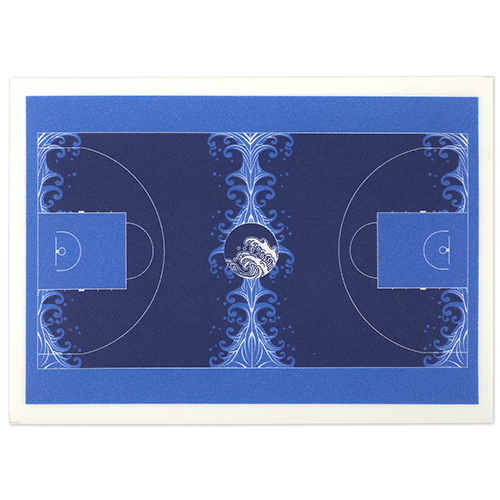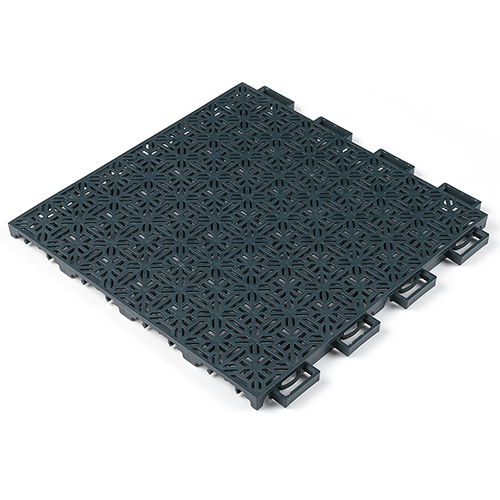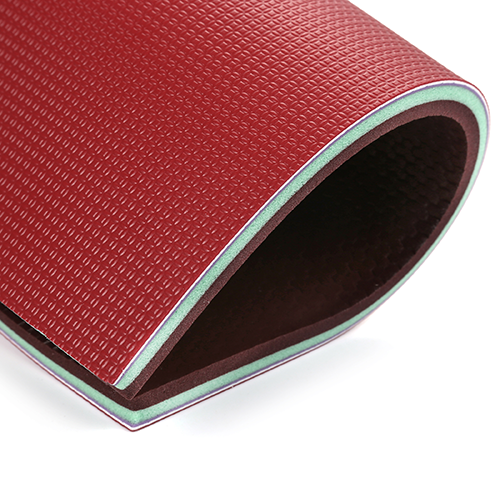
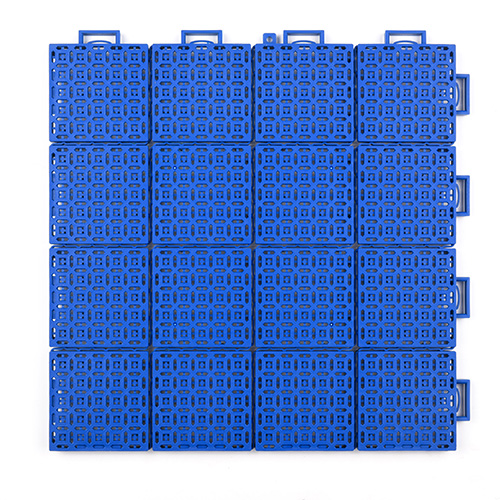
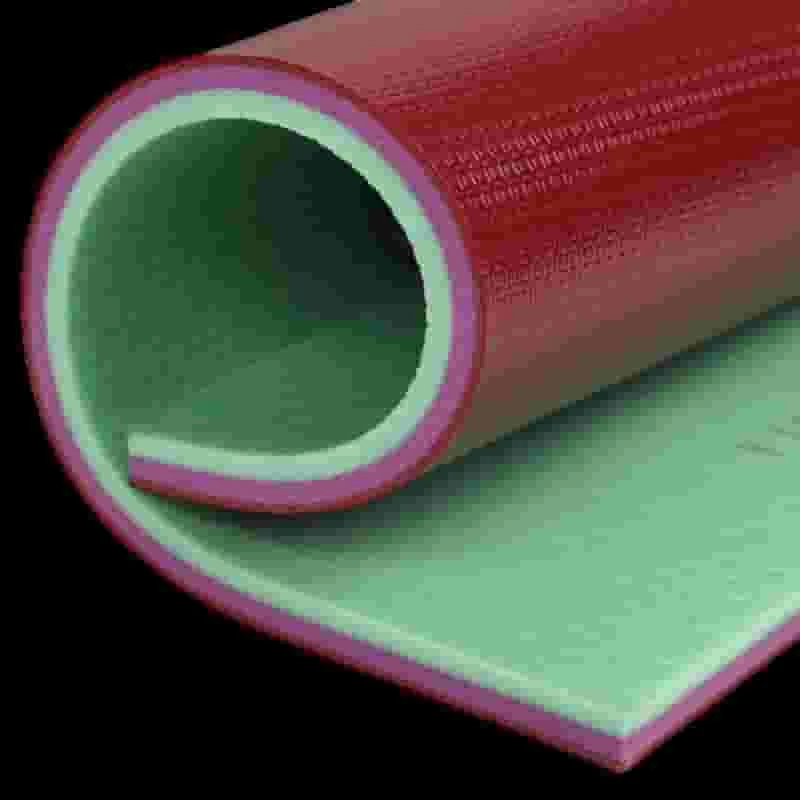

Uzbekistan's sports infrastructure is currently undergoing a massive transition. Traditionally, many indoor facilities relied on hardwood or basic concrete, but the extreme temperature fluctuations between scorching summers and freezing winters in Tashkent and Samarkand often lead to warping and cracking in non-specialized materials. This has created a surging demand for indoor sports flooring that offers thermal stability.
The economic growth in the region has led to a proliferation of multi-purpose community centers. These facilities require versatile surfaces that can transition from basketball to volleyball without compromising athlete safety. Consequently, the adoption of high-grade artificial flooring has become a priority for municipal developers aiming for low maintenance and long-term durability.
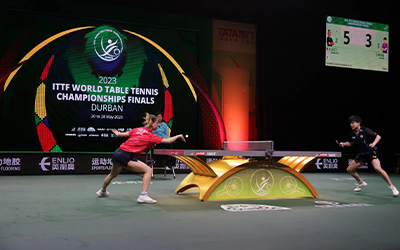
Furthermore, there is a growing awareness of E-E-A-T (Experience, Expertise, Authoritativeness, and Trustworthiness) in material procurement. Local contractors are moving away from generic plastics toward engineered polymers that offer specific shock absorption and friction coefficients, ensuring that the indoor sports floor meets FIBA and ITF international standards.