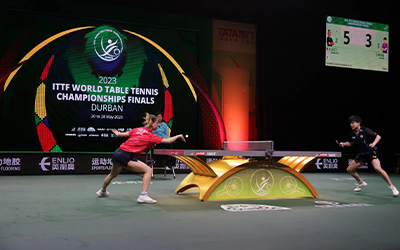
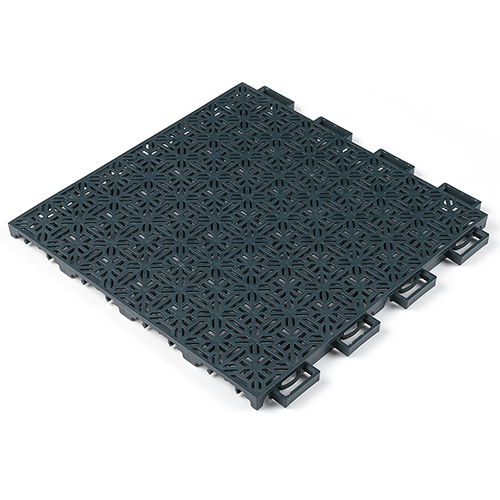
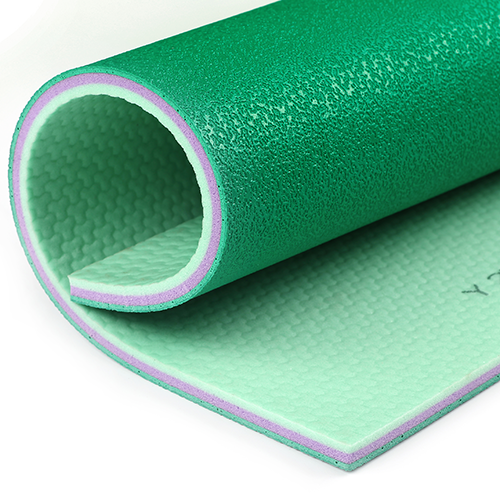
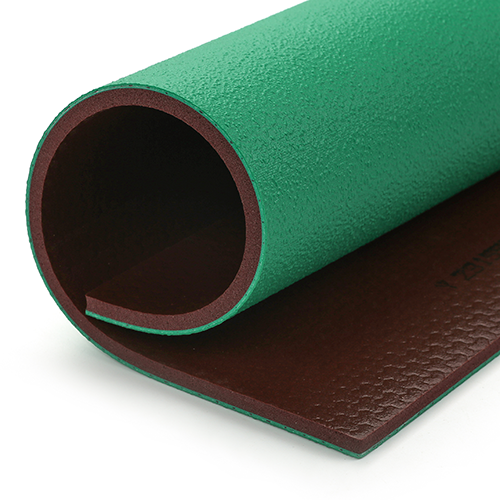
South Korea's sports infrastructure is characterized by extreme urban density, where multi-purpose indoor complexes are the norm. In cities like Seoul and Busan, the demand for indoor sports floor options has shifted toward high-density materials that can withstand 24/7 usage cycles across various disciplines, from badminton to volleyball.
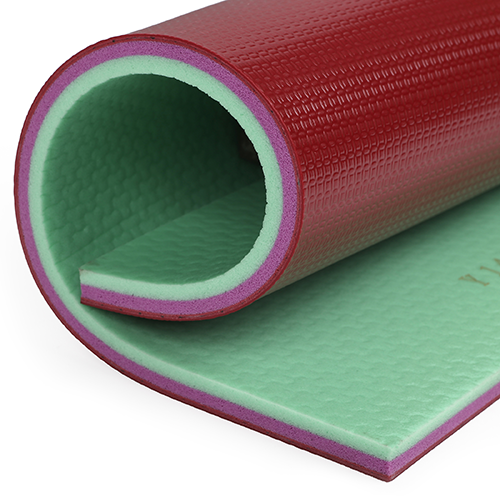
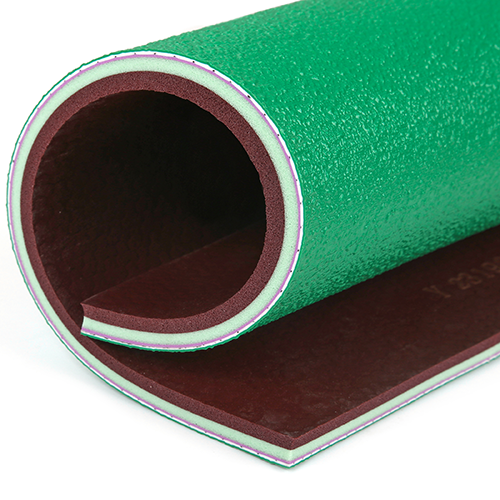
Geographically, the peninsula experiences significant humidity swings between the monsoon summer and the dry winter. This puts immense pressure on the dimensional stability of plastic-based flooring. Consequently, the market is moving away from basic materials toward advanced artificial flooring that incorporates anti-slip technology and moisture-barrier membranes to prevent warping.
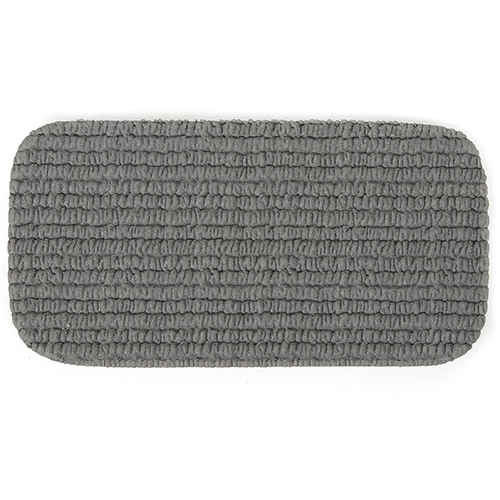
Economic investment in "K-Sports" and the rise of professional e-sports arenas have also created a niche for hybrid surfaces. There is a growing preference for carpet and vinyl flooring blends that offer the acoustic dampening of carpets with the hygiene and durability of high-grade PVC vinyl.