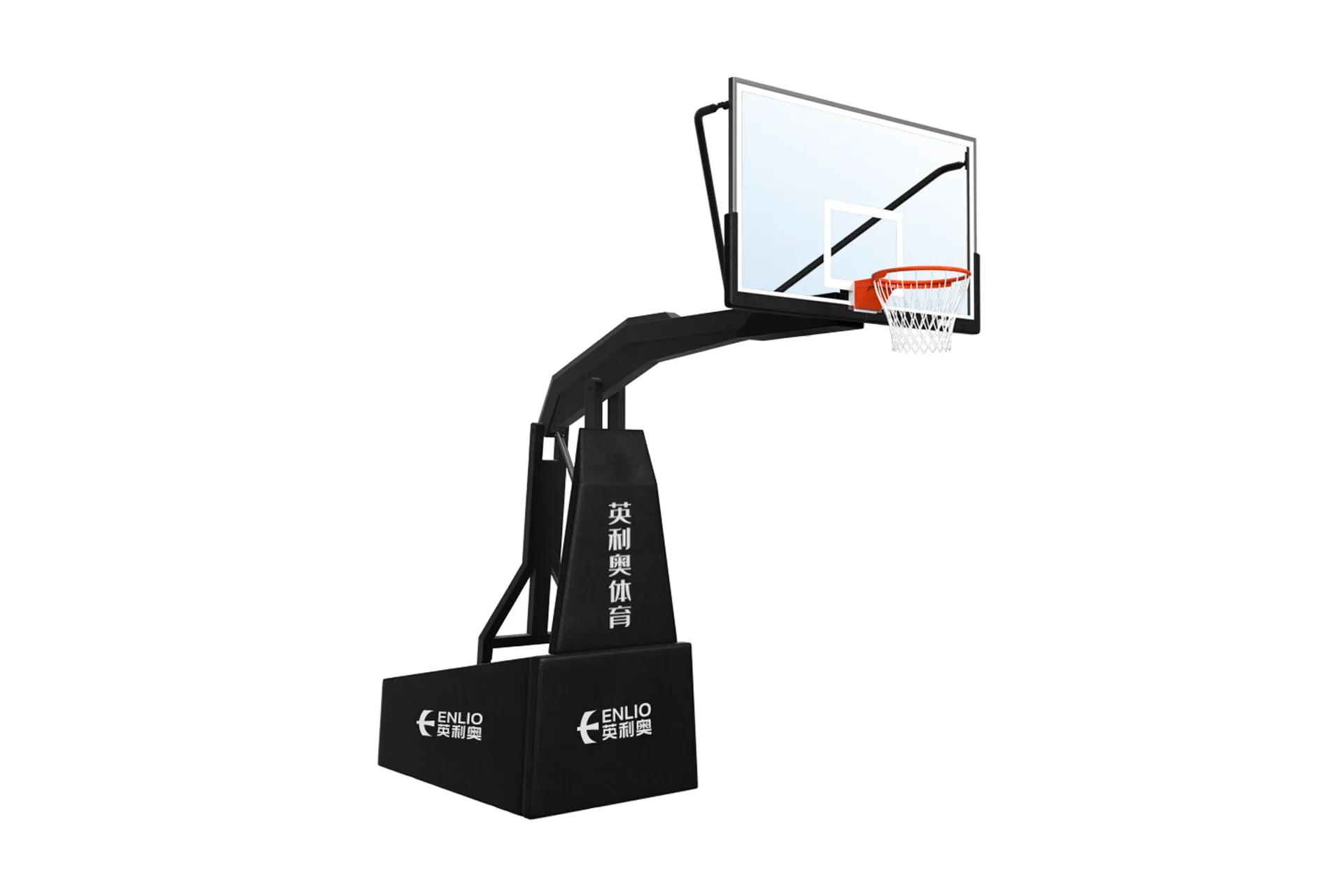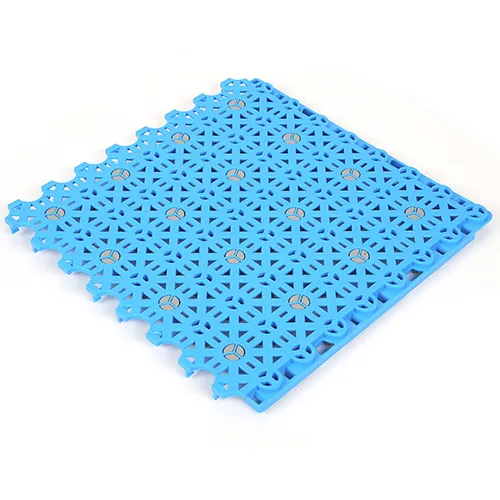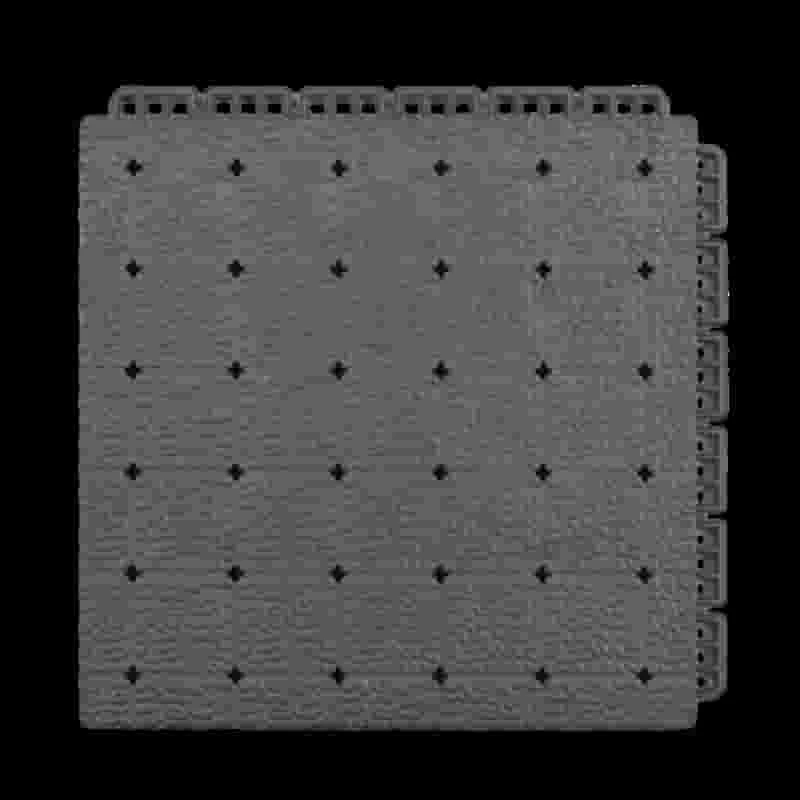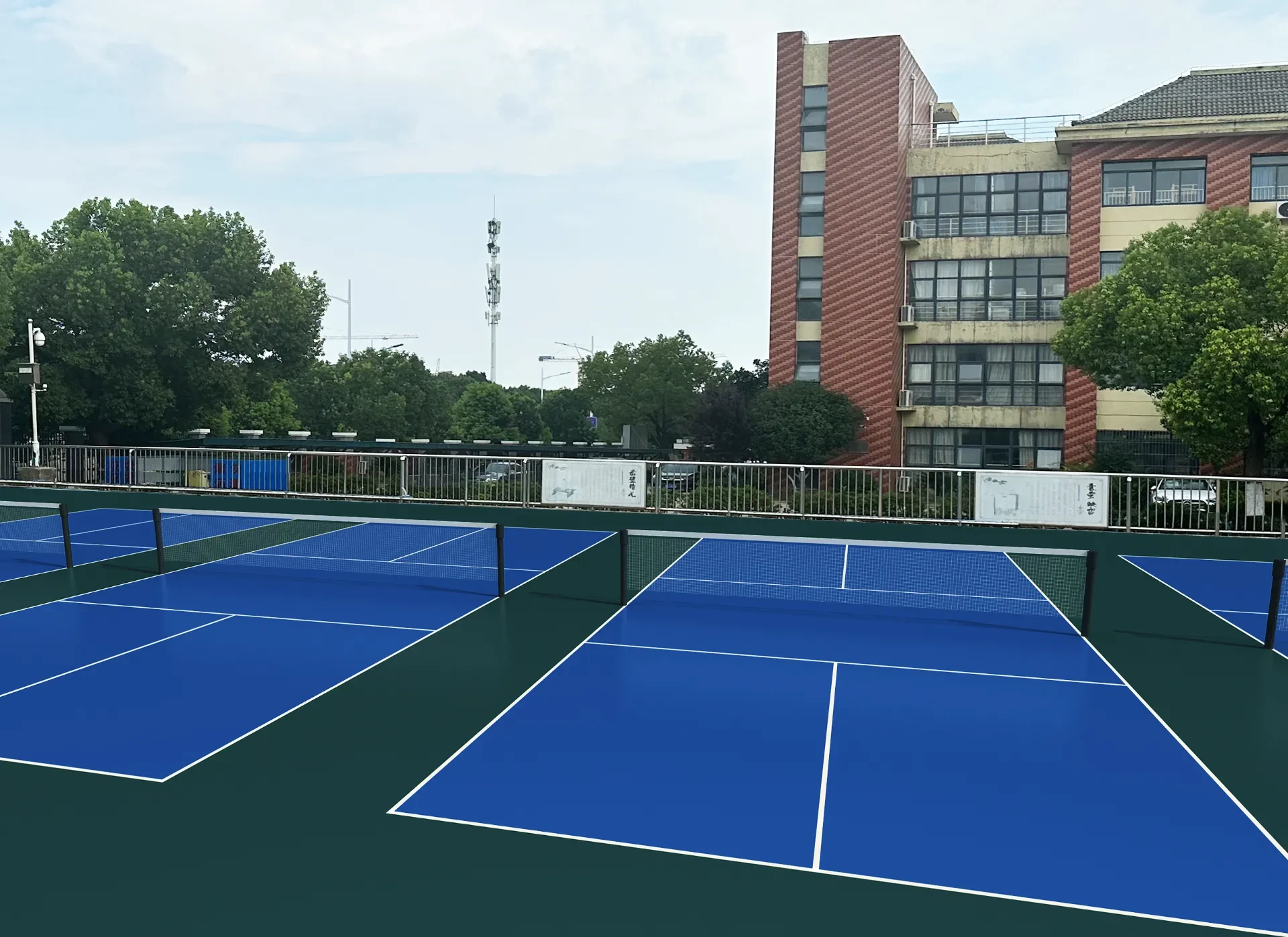
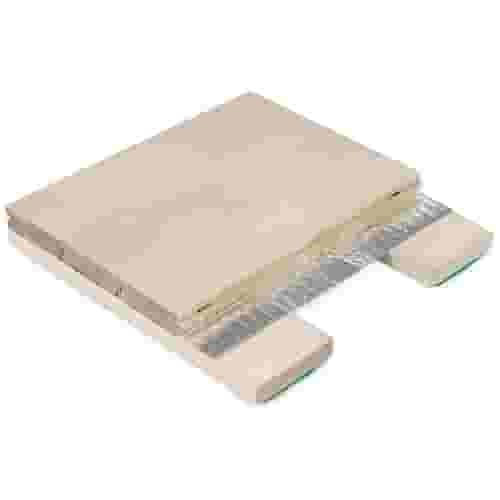
In Ghana, the sports infrastructure is currently undergoing a transition. Historically, many indoor facilities relied on concrete or basic wooden planks, which often failed to provide adequate cushioning for athletes. The high humidity levels in coastal regions like Accra lead to rapid degradation of non-specialized materials, creating a critical need for professional artificial flooring that can withstand moisture without warping.
The rise of private fitness centers and modernized school gymnasiums has spiked the demand for indoor sports floor options. However, the market is often flooded with low-grade materials that lack E-E-A-T certification, leading to premature wear and increased injury risks for local athletes. There is a clear gap between the available local supply and the international standards required for competitive sports.
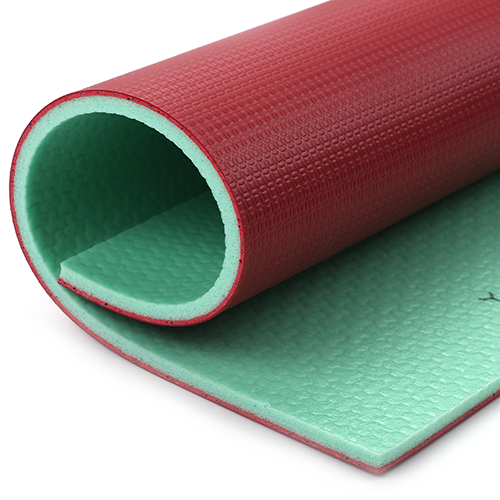
Economic growth in the West African region has encouraged investment in multipurpose halls. These venues require versatile surfaces, such as carpet and vinyl flooring, to accommodate everything from basketball games to community events. The current trend shows a shift toward materials that offer easy maintenance and anti-microbial properties to combat tropical mold growth.